Sustainable Style: How Vintage Clothing Serves As the Eco-Friendly Fashion Pick
Sustainable style is more pertinent in talks concerning fashion. Vintage clothing emerges as an eco-friendly substitute for fast fashion. By opting for pre-loved garments, consumers contribute to waste reduction and the protection of resources. This method not only advances a circular economy, but also highlights the craftsmanship and singular accounts behind each piece. As the fashion landscape progresses, the implications of these choices call for closer examination. What does the future hold for this movement?
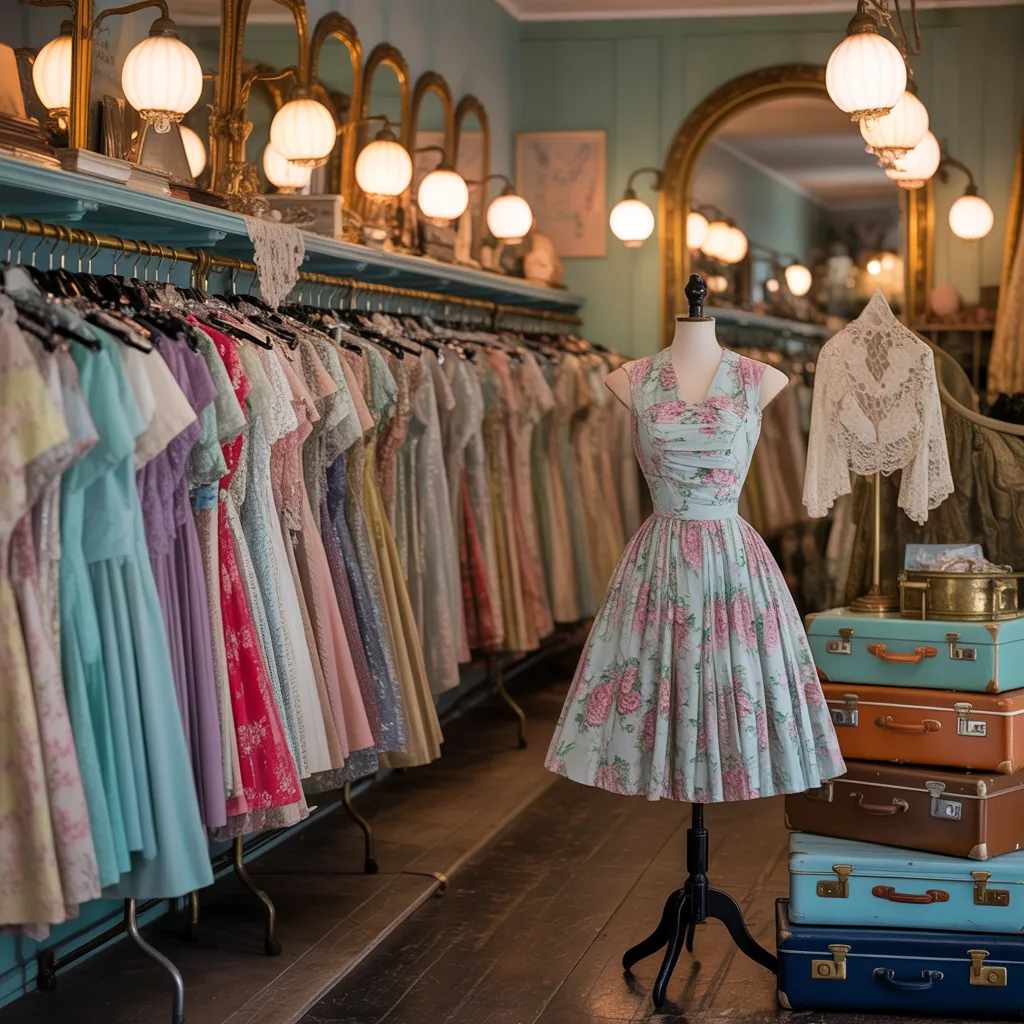
Why Speed-Based Apparel Is Injuring Our World
Fast fashion accelerates the cycle of consumerism, causing considerable environmental degradation. This industry promotes the rapid production of inexpensive clothing, motivating consumers to buy more often and discard items quickly. As a result, enormous amounts of textiles are sent to landfills, adding to waste and pollution. The production operation itself is highly resource-demanding, requiring large amounts of water, energy, and chemicals, which can pollute local ecosystems and use up essential resources. Additionally, many fast fashion brands prioritize profit over ethical labor practices, often abusing workers in developing countries. The environmental impact surpasses waste; the carbon footprint related to transporting goods worldwide exacerbates climate change. Furthermore, synthetic fibers, typically used in fast fashion, are non-biodegradable, lasting in the environment for decades. Taken together, these factors demonstrate how fast fashion not only harms the planet but also undermines the sustainability of the fashion industry itself.
Why Classic Clothing Minimizes Trash
Heightened awareness of fast fashion's destructive implications on the environment has ignited appeal in more sustainable choices, such as vintage clothing. Vintage garments hold a vital role in waste reduction by boosting the lifecycle of clothing items. By selecting second-hand, consumers help channel textiles from landfills, where they would otherwise result in environmental degradation.
Each second-hand item signifies a resistance to the linear fashion model, which centers on relentless manufacturing and consumption. Alternatively, used garments nurtures a circular economy, encouraging buyers to value and repurpose accessible materials.
Furthermore, the manufacturing of new garments requires considerable quantities of water, energy, and raw materials. content By choosing vintage, shoppers decrease the demand for new clothing, thereby reducing the environmental footprint linked to manufacturing processes. Essentially, embracing vintage fashion not only celebrates individual style but also champions sustainability by effectively minimizing waste and encouraging responsible consumption.
Tips for Finding Quality Vintage Pieces
When searching for quality vintage pieces, shoppers can enhance their experience by being aware of where to search and what to evaluate. Thrift stores, estate sales, and specialized vintage shops often reveal hidden gems. It is important to inspect garments carefully; checking for signs of wear, such as fraying seams or missing buttons, can help avoid future disappointments. Shoppers should also consider fabric quality; natural fibers like silk, wool, and cotton tend to offer more longevity than synthetic materials. Familiarity with brands known for their craftsmanship can help in identifying valuable finds. Additionally, knowing the garment's era can offer insight into its construction and style authenticity. Ultimately, being open-minded and attentive during the search process can lead to unexpected discoveries, making the hunt for vintage clothing both rewarding and sustainable.
The Exceptional Fascination of Vintage Fashion
Vintage clothing maintains a distinctive charm that surpasses mere fabric and stitching. Each pre-loved garment carries a history, often capturing the trends, artistry, and cultural nuances of its era. This special attraction draws fashion enthusiasts who appreciate the individuality that mass-produced items lack. Vintage pieces often display superior craftsmanship, with attention to detail that is increasingly rare in contemporary fashion.
In addition, the wide variety of options available—from bohemian dresses to tailored suits—empowers individuals to communicate their self in ways that mainstream fashion cannot. The stories of these clothing items can equally evoke nostalgia, connecting customers to past generations and their accounts. Moreover, the scarcity of specific vintage items imparts an dimension of uniqueness, making them them sought-after treasures in a world of uniformity. All in all, pre-loved garments offer a blend of personality, quality, and personal ties that appeals to with those on the hunt for a more impactful approach to fashion.
Why Advocating for Green Shops Makes a Difference
Patronizing sustainable shops constitutes a key element in fostering a more sustainability-focused fashion industry. By electing to shop at these businesses, consumers directly enable refuse reduction and endorsing ethical practices. Sustainable shops regularly advocate nature-respecting resources, ethical labor standards, and visible supply chains, defining a practice for intentional purchasing.
Additionally, these shops frequently assemble ranges of vintage and second-hand items, prolonging the lifecycle of textiles and minimizing the requirement for novel manufacturing. This shift not only diminishes resource depletion but furthermore addresses the negative impact of fast fashion on the environment.
Furthermore, supporting local sustainable businesses reinforces communities, as profits are often reinvested locally. This generates a virtuous cycle, promoting more sustainable practices across the industry. At its core, shopping at sustainable shops enables consumers to make deliberate decisions that match their values, fostering a more sustainable future for fashion.
The Tomorrow of Fashion With Vintage Choices
An increasing number of consumers are choosing vintage clothing as a practical alternative to fast fashion, showing a shift toward sustainable approaches within the industry. This trend not only decreases environmental damage but also promotes unique personal expression through unique pieces. As awareness of the fashion industry's ecological footprint expands, vintage shopping provides a solution that fits ethical values.
Retailers are modifying by organizing vintage collections and merging them with contemporary styles, making it more convenient for consumers to add sustainable choices into their wardrobes. Additionally, the surge of online platforms and social media has improved access to vintage markets, increasing their reach.
The commitment to environmental responsibility increasingly affecting fashion trends means vintage clothing will play a significant role in molding the industry's future. Ultimately, this movement signals a cultural shift toward valuing quality and history over fast, disposable trends.
Often Inquired Questions
What Methods Can I Use to Confirm if Vintage Clothing Is Real?
To ascertain if vintage clothing is authentic, inspect labels, stitching, and fabric quality. Research specific styles and brands, and look for distinctive features typical of the era. Expert evaluations can also provide valuable confirmation.
Can You Identify Specific Manufacturers That Offer Antique Design Choices?
Many brands are known for their retro designs, including Levi's, Ralph Lauren, and Chanel. These organizations often incorporate retro designs, appealing to those seeking authentic vintage aesthetics in contemporary fashion lines.
What Should I Search for in Vintage Fabric Condition?
When evaluating vintage fabric quality, one should examine the fabric's texture, heft, and longevity. Look for uniform seams, minimal wear, and bright hues, as these signs reflect the piece's workmanship and longevity.
What Measures Should I Take to Maintain Timeless Outfits?
For proper care of vintage garments, one needs to delicately hand wash in cold water, use mild detergents, air dry away from sunlight, and place in breathable bags to protect fabric integrity and avoid any damage.
Can Vintage Clothing Be Altered for a Improved Fit?
Certainly, vintage clothing can be refitted for a more comfortable feel. Professional seamstresses can adjust seams, hems, and other elements, ensuring the garment suits the wearer while safeguarding its unique character and vintage authenticity.